Silent Friend (2025), dir. Ildikó Enyedi
A neuroscientist quarantined in an empty German university during the COVID-19 pandemic makes unexpected personal and scientific connections. The first woman admitted to the botany department in 1900s Germany encounters misogyny and sexism, and finds solace in the emerging technology of photography. A young man from a farm attends university in the heady 1970s, and an uncertain romance with his housemate leads him to a glorious discovery right in their garden.
Writer-director Ildikó Enyedi braids these three stories, from the perspective of a centuries-old ginko tree planted on the grounds of the unnamed university campus. This was basically the synopsis that SGIFF published, and at the outset, I was on the fence about watching this film, Tony Leung's casting notwithstanding.
I am very happy to report that Enyedi pulls off this remarkable achievement, placing the viewer as far as possible inside an alien botanic consciousness without alienating the audience.
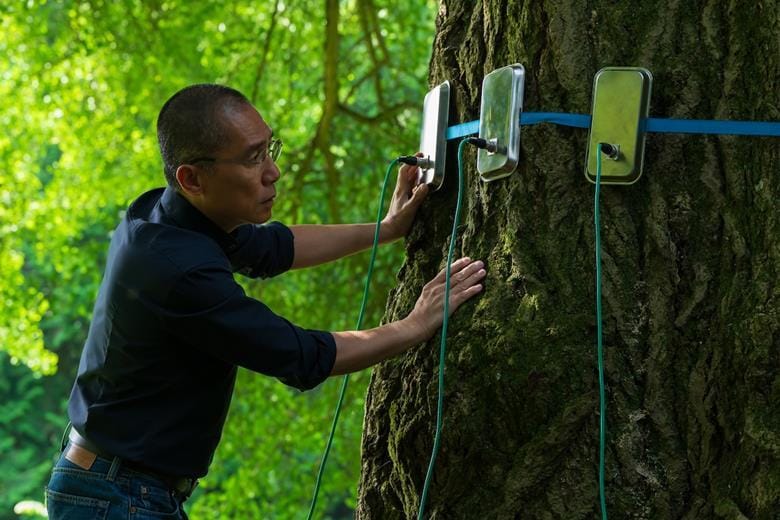
Just based off the synopsis, I had the impression that Tony Leung would be at best a part of an ensemble; he is in fact the lead actor through and through. His performance and storyline animates the central concern of the film: beyond gathering evidence that plants are conscious, how can we actually communicate with them? (The answer, it seems, lies in the psychoactive properties of other botanical species.)
Tony Leung's natural shyness is perfect for his character's professorial demeanour: an intelligent, curious, articulate, and handsome man willingly stranded at the edges of a scientific frontier. Enyedi did write this role specifically for Tony, something any cineaste will suspect. (Indeed, the character's name is Tony Wong.)
For the bulk of Tony's scenes, he is alone on campus, wandering the empty dining halls and libraries, or the sole user of the university gym, lost to his own thoughts. His career spent playing characters hiding their deepest emotion translates into perfect casting.
Léa Seydoux (who featured in Enyedi's last film The Story of my Wife) plays a botanist that Tony Leung contacts over video calls, as he starts to ponder botanical consciousness. While they never share the same physical space, these actors manage to convey a cozy platonic connection with the short screen time they have.
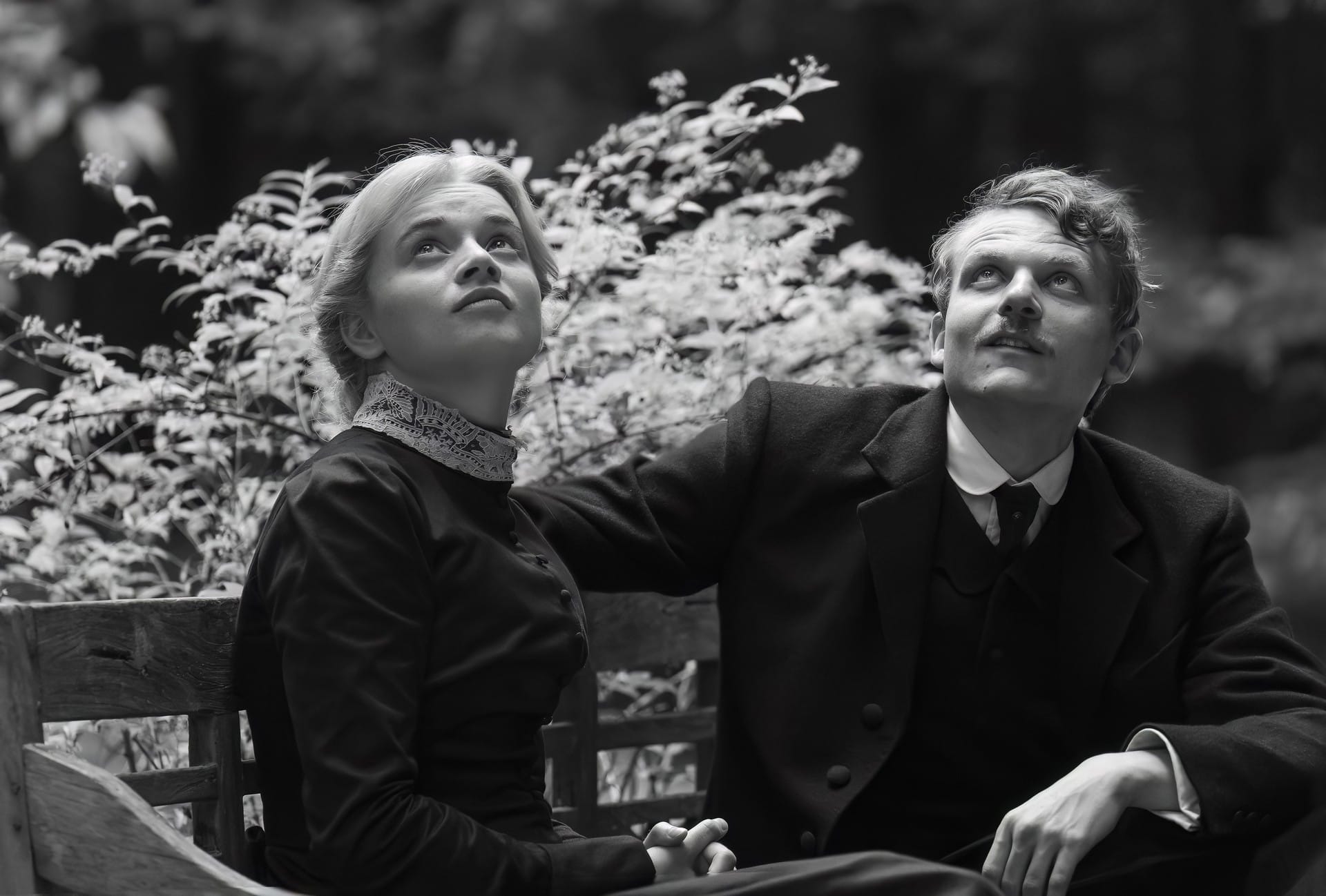
The other two narrative threads explore different aspects of the scientific enterprise. Luna Wedler plays Grete, the first women admitted to the university's botany department. We are introduced to her during her entrance interview, and Enyedi crafts a brilliant scene that deconstructs in one fell swoop the fundamentally male gaze underlying the classical "objective" scientific gaze.
And so when Grete takes up photography, we see her turn the camera not just onto the botanical samples as a non-destructive way to document and study them, but also on her unclothed body.
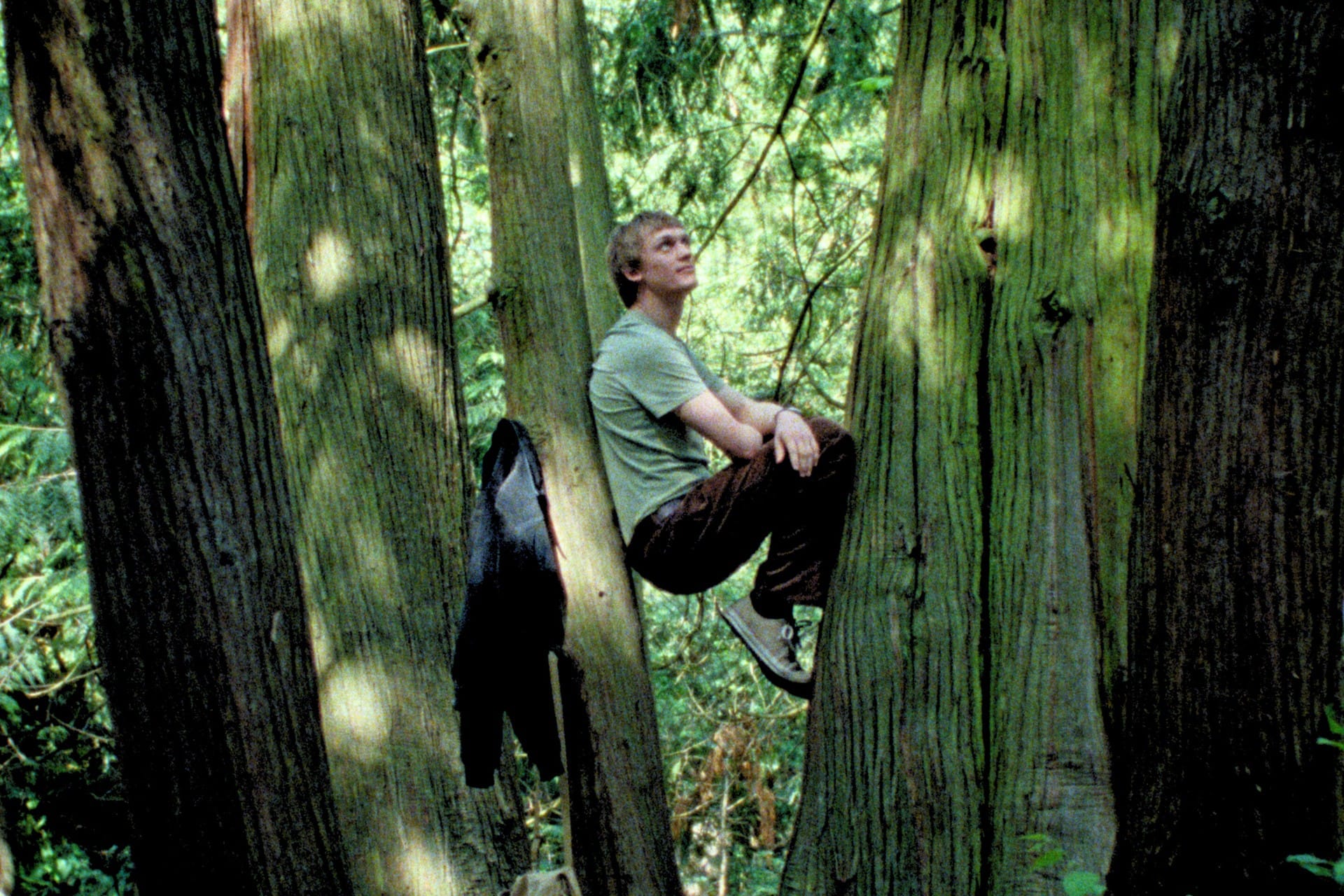
And lastly, perhaps the most whimsical of the lot, Enzo Brumm plays Hannes, the farmboy thrust into a hedonistic bohemian 1970s German campus where leftist politics, cigarettes, and free love are but daily preoccupations. The audience gasped audibly when Hannes' friends mistreat a geranium he is caring for, a testament to how Enyedi moved us with a very simple story.
Enyedi's eighth feature film sits in a Venn-diagrammed confluence of my interests: I did study neuroscience in university; it's awfully refreshing to see the inner lives of scientists on screen instead of their usual deployment as plot devices. Whilst there was a pleasant Q&A with Enyedi and Tony Leung at SGIFF after the film was screened, SGIFF missed an opportunity to have an actual scientist in conversation with them. If you, however, get a chance to see this film on a streamer (I doubt it will get a wider release in this region), don't miss it.
Member discussion