Sentimental Value (2025), dir. Joachim Trier
Joachim Trier's follow-up to The Worst Person in the World sees him approaching the same themes of grief, and art as catharsis, that Chloé Zhao explored in Hamnet. Trier also teams up again with Renate Reinsve, placing her in a formidable (and Anglophile-friendly) ensemble of Stellan Skarsgård and Elle Fanning.
Skarsgård plays Gustav Borg, a renowned director who leaves his wife and two daughters (Agnes and Nora) to pursue his film career. His ex-wife's passing brings him back to Oslo and the house they shared, the same house he was raised in. Despite not having spoken to his daughters, nor made a film in decades, he begins production for a film based on his mother's life, to be shot in said home. He also wants younger daughter Nora (Reinsve), who is a modestly successful stage actor, as the lead.
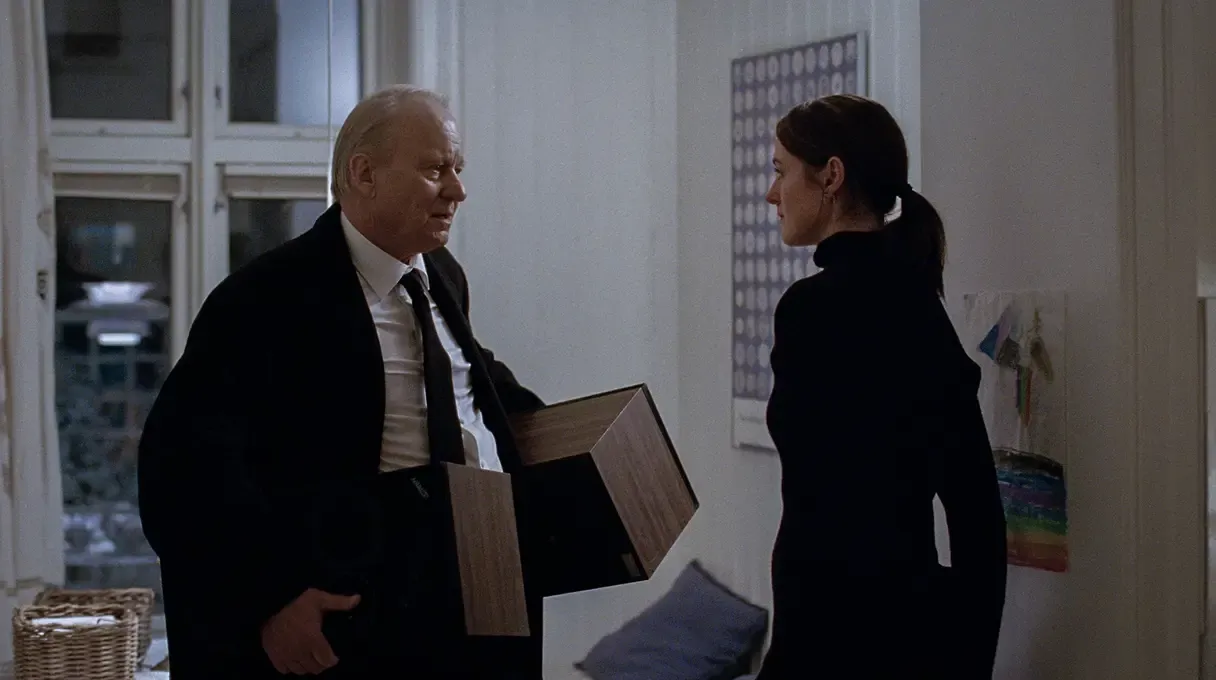
Nora, understandably, refuses to read the script, and so Borg invites American starlet Rachel Kemp (sparklingly played by Elle Fanning) to take the lead role, despite not speaking a word of Norwegian. The rest of the film follows, in Trier's closely-observed fashion, the fallout and drama arising from this.
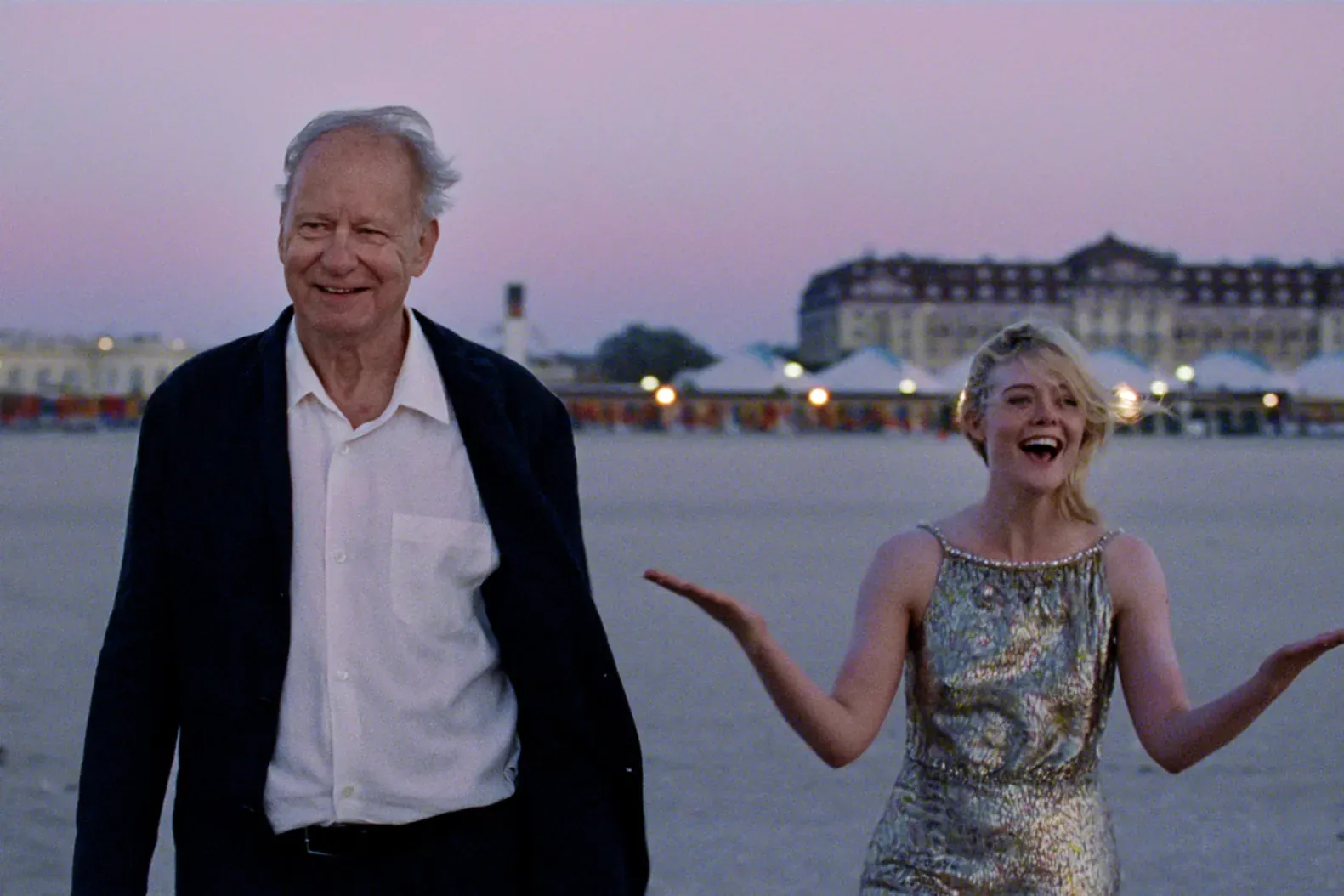
Borg is the kind of absentee parent who thinks it is appropriate to gift a DVD of Michael Haneke's The Piano Teacher to his 10ish-year-old grandson. (This scene got a laugh from the palpably cinephile crowd at one of the very last screenings at SGIFF.) He's a predictable 60+ year-old man who has not bothered to process his grief arising from his mother's tragic life, the failure of his marriage, and his estrangement from his daughters.
While Joachlm's prior film The Worst Person in the World deployed magic realism to heighten the impact of protagonist's bold choices, these are notably absent in this film. There is, however, a quiet almost-miraculous reveal in the final act that ties Borg's generational trauma to his daughters' ones.
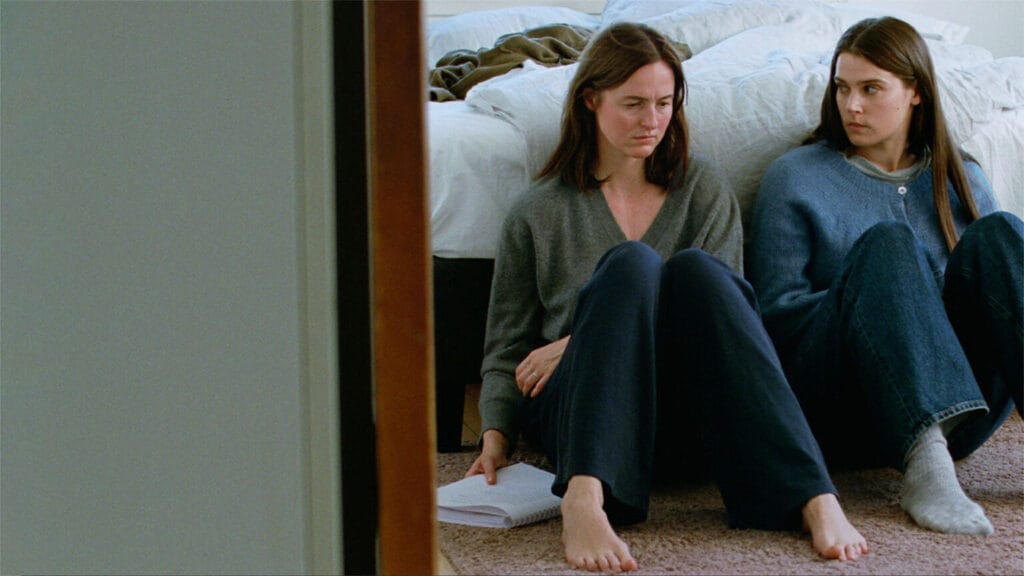
In the end, it's the three young women who have to perform Borg's emotional labour, although this is framed as reconciliatory and cathartic. While Hamnet which imagines the very act of making theatre as a way to work through grief and loss, Trier uses it as a plot device.
That's not to say the subtext isn't effective. Sentimental Value is bookended by two literal stages: it opens inside a rococo theatre where Nora suffers a panic attack right before she is supposed to go on (a sequence shot with momentum and intent); the last is a soundstage where Borg finally shoots his desired one-take closing scene to his new film. The subject matter, particularly Borg's mother's history, which weaves in historical context of Norway's resistance to Nazi occupation, is heavy but handled with an appreciably light touch.
Sentimental Value takes what could be a heavy-handed and ponderous family drama, and layers it with understated observational humour about artistic practice, fame, and family. It's a breezy watch, and it should get a wider release in 2026.
Member discussion